
Advanced Electrochemotherapy for Prostate Cancer
GermanyHealth offers the most advanced programs like ECT Electrochemotherapy for Prostate Cancer.
Traditional prostate cancer treatment in Germany often begins with surgery or radiation therapy, depending on how advanced the cancer is. In early stages, a common option is a prostatectomy, where the prostate gland is surgically removed. This is usually recommended when the cancer is still confined to the prostate and offers a good chance of a cure. Radiation therapy, on the other hand, uses high-energy rays to kill cancer cells and is often an alternative for patients who cannot undergo surgery.
Chemotherapy is another widely used method, especially for advanced prostate cancer. It involves the use of drugs to destroy rapidly growing cancer cells. However, chemotherapy can come with side effects like fatigue, nausea, and a weakened immune system. While it can help shrink tumors and relieve symptoms, it is not typically a cure.
Why Germany?Germany has a unique regulatory loophole called the “hospital exemption” (Section 13 of the German Medicines Act).
This allows specialized, certified clinics to manufacture and administer custom, unapproved advanced therapies to individual patients, provided it is done in-house.
This is a new and promising approach that helps the body fight cancer naturally.
However, dendritic cells are special immune cells trained to find and attack cancer cells. In this therapy, doctors collect the patient’s immune cells, activate them in the lab, and then return them to the body.
These cells then alert the immune system to target and destroy prostate cancer cells. This modern treatment is gentle, personalized, and has fewer side effects compared to traditional methods like chemotherapy.
It offers new hope for men looking for advanced and natural cancer care options and GermanyHealth helps you to get Dendritic Cell Vaccine for Prostate Cancer organized.
When you look at the search for help for prostate cancer immunotherapy through the lens of how the unregulated medical tourism industry actually operates, it becomes clear that this is a highly compromised and dangerous search space.
While the term is rooted in legitimate immunology, the actual search engine results—especially in Europe—are heavily polluted by sophisticated marketing networks designed to exploit desperate patients. So watch out with whom you are dealing!
What is castration-resistant prostate cancer and why it stops responding to hormone therapy
When you’re first diagnosed, doctors often explain that prostate cancer feeds on testosterone. To stop the tumor from growing, they use hormone therapy to completely cut off this fuel supply. For a long time, this works beautifully. The cancer starves, shrinks, and your numbers look great.
But cancer is incredibly stubborn. Over time, these cells can mutate and learn how to survive without that fuel. They might figure out how to make their own microscopic amounts of testosterone, or change their receptors so they don’t need it anymore. When the tumor starts growing again despite your testosterone being driven down to near-zero levels, doctors call it castration-resistant prostate cancer (CRPC).
Reaching this stage can feel daunting, but it just means you have to switch tactics. Since starving the cancer no longer works, doctors turn to your body’s own defenses. This is why many men start researching a dendritic cell vaccine for prostate cancer. By training your immune system to recognize and attack the rogue cells, a dendritic cell vaccine for prostate cancer offers a completely different battle plan. It shifts the fight from starving the tumor to actively hunting it down.
Tradional vs. Modern Prostate Cancer Treatment in Germany
Treatment Plan:
Based on the stage and your overall health, your doctor will discuss prostate cancer treatment possibilities. These may include:
- Active Surveillance: If the cancer is slow-growing, monitoring it closely with regular check-ups may be suggested.
- Surgery: Removing the prostate (prostatectomy) can be an option for cancers that haven’t spread.
- Radiation Therapy: This can target and kill cancer cells.
- Hormone Therapy: Used to reduce hormone levels that fuel cancer growth.
- Chemotherapy: Chemotherapy or targeted therapies might be used for advanced cases.
- ECT Electro-chemotherapy: ECT - local chemotherapy combined with IR-ECT (electro sondes and Keytruda)
- Immunotherapy: Oncolytic viro-therapy with Newcastle virus and Dendritic Cell Therapy helps the body recognize and attack cancer cells.
What is ECT Electrochemotherapy for Prostate Cancer in Germany?
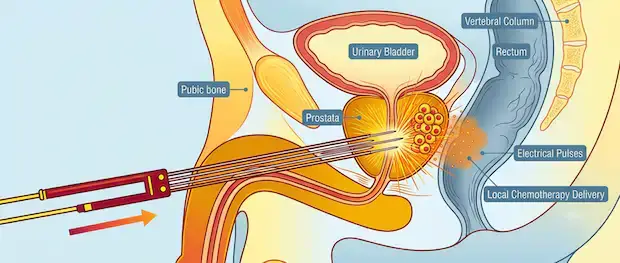
Electrochemotherapy for prostate cancer is a treatment that combines a low dose of chemotherapy with short electrical pulses to help the drug work better.
For prostate cancer, doctors deliver a cancer-fighting drug into the body, then apply brief electric pulses directly to the tumor. These pulses open tiny pores in cancer cells (a process called electroporation), allowing more medicine to enter and destroy them.
This approach can target tumors more precisely, reduce damage to healthy tissue, and use smaller drug doses. It is still being studied for prostate cancer but shows promise as a less invasive option
What is Priming for Prostate Cancer with ECT?
Priming prior to ECT refers to preparing the body to make electrochemotherapy (ECT)more effective.
In simple terms, means giving a treatment before ECT to help cancer cells respond better. For example, doctors may give a chemotherapy drug like Impilimumab/Yervoy™ in combination with Docetaxel.
After this “priming” step, electrical pulses (ECT) are applied, helping the drug enter cancer cells more efficiently through electroporation.
- Increase how much drug gets into cancer cells
- Improve tumor destruction
- Use lower drug doses with fewer side effects
This approach is still being researched, especially for prostate cancer.
STEP 1
Priming
is a Short-term immunotherapy with the immuno-oncological intraprostatic administration of Impilimumab/Yervoy™ in combination with Docetaxel for the treatment of prostate cancer.
The priming is under general anesthesia and with one overnight stay in the clinic.
STEP 2
Electrochemotherapy
for prostate cancer is a treatment that combines chemotherapy with electrical pulses to destroy cancer cells more effectively.
Step-by-Step:
Chemotherapy Drug is Given:
Keytruda™ .
The drug is injected directly into the tumor.
Electric Pulses are Applied:
Small, controlled electric pulses are delivered to the tumor area using thin electrodes (probes).
These pulses temporarily open pores in the cancer cell membranes (a process called electroporation).
Drug Enters Cancer Cells More Easily:
With the pores open, the chemo drug enters the cells much more effectively—up to 1000 times more than usual.
Once inside, the drug becomes much more toxic to cancer cells, leading to their death.
ECT is a targeted way to boost chemo effectiveness while minimizing side effects, making it a smart tool in advanced or complex prostate cancer cases.
STEP 3
2nd Treatment
The third part of the advanced immuno-oncological therapy using the drug Pembrolizumab /Keytruda™ what is usually administered 3 – 4 weeks after the first inpatient treatment (ECT).
Priming and ECT Eloctrochemotherapy: Who Qualifies?
Patients are usually considered if they:
- Have localized or limited prostate tumors (not widely spread)
- Cannot undergo major surgery or prefer a less invasive option
- Have tumors that are accessible for electrode placement
- Are fit enough for minor procedures (generally stable health)
ECT may not be suitable if someone:
- Has widely metastatic cancer (spread throughout the body)
- Has serious heart problems (electric pulses can affect rhythm)
- Has severe kidney or lung disease (important for drugs like Bleomycin)
- Has tumors that are too deep or hard to reach safely
- Has poor overall health or cannot tolerate the procedure
What is Dendritic Cell Vaccine for Prostate Cancer?
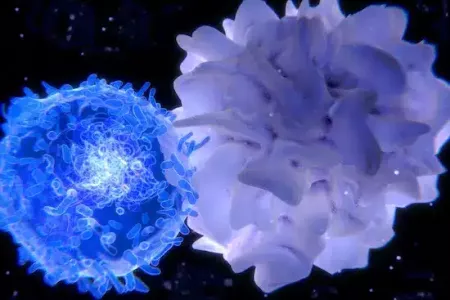
Dendritic cells (DCs)are the immune system’s most powerful antigen-presenting cells.
Their natural role is to patrol the body, detect foreign or abnormal cells, process them into recognizable fragments (antigens), and present these fragments to T lymphocytes the immune system’s killer cells. In doing so, they initiate a targeted, long-lasting immune response.
In prostate cancer patients, this natural surveillance often fails because tumor cells have learned to suppress dendritic cell function and evade immune detection.
Dendritic cell vaccine for prostate cancer bypasses this failure by manufacturing activated, tumor-primed DCs outside the body and reintroducing them in large numbers. However, “This is an individualized healing attempt (Individuelle Heilversuche) under German law, not an EMA-approved therapy. Dendritic cell vaccine is also not FDA approved.”
How Your Own Immune Cells Become the Treatment

Newer treatments focus on using the body’s own immune system against prostate cancer, and dendritic cell vaccine. DCs are the immune cells that present tumor fragments — antigens — to other immune cells, helping the body recognize and attack cancer more effectively.
The goal is to train the immune system to treat prostate cancer cells as a threat, something surgery, radiation and chemotherapy cannot do on their own. In Germany, established laboratory expertise and the legal framework for individual healing attempts have made this approach available to patients who want it.
Therefore, our patients undergo a personalized process in which their own tumor cells are used to create a tailored vaccine, like IO-Vac®. Hence, the vaccination is then administered to stimulate an immune response targeted specifically at the patient’s tumor.
Prostate Cancer Immunotherapy & Dendritic Cell Vaccine: Who Qualifies?
Understanding whether you qualify for advanced immunotherapy is a crucial first step in your treatment journey. This therapeutic program is designed for patients navigating advanced stages of the disease who meet precise clinical milestones.
A primary qualification is having a rising PSA (prostate-specific antigen) level following initial treatments like surgery, which indicates the cancer cells may be active again. It is also tailored for individuals diagnosed with castration-resistant prostate cancer (CRPC). This means the cancer or PSA levels are continuing to climb even after undergoing hormone therapy to lower testosterone, showing that the disease has become resistant to standard hormone blockades.
Beyond these lab markers, doctors look closely at your diagnostic history and everyday physical health to ensure the treatment is both safe and effective for you.
Your Gleason score context—the grading system that measures how aggressively the cancer cells behave—is carefully evaluated to understand the severity and pace of your specific condition.
Additionally, your “performance status” is a vital deciding factor. This is simply a measure of how well you can handle daily activities, look after yourself, and remain physically mobile. Ideal candidates are generally strong enough to go about their normal routines with minimal disruption, ensuring their bodies can robustly handle cellular therapy.
If you meet these criteria, a dendritic cell vaccine for prostate cancer may be an ideal option to help train your immune system to recognize and fight the remaining cancer cells.
Why One Therapy Alone Is Not Enough: The Case for Combination Immunotherapy
Beyond standard treatment, several pioneering approaches are being studied and „in some centers” offered to patients, either within clinical trials or as part of integrative oncology programs. These therapies aim to harness or retrain the body’s immune system to recognize and fight prostate cancer cells.
Timeline from 1st App to last App
1st Appointment / Visit
Leukapheresis / Blood draw / 1st Oncolytic Viro-therapy (5-6 days) with Newcastle virus / hyperthermia sessions (5-6 sessions) / Tecentriq injection 840 / 1680 mg and 1st Dendritic Cell Vaccination
From your first appointment until your last appointment it takes 12 days. You stay 14 nights in Germany before you fly back home.
BREAK
There is a break of 3-4 weeks until your 2nd appointment
2nd Appointment / Visit
2nd Oncolytic Viro-therapy (5-6 days) with Newcastle virus / hyperthermia sessions (5-6 sessions) and 2nd Dendritic Cell Vaccination
It also takes 12 days at your 2nd appointment. You stay 14 nights in Germany before you fly back home.
BREAK
There is a break of 3-4 weeks until your 2nd appointment
3rd Appointment / Vistit
Oncololytic viro-therapy (5days) with Newcastle virus plus 5 hyperthermia sessions and Immunological oncological diagnostic
You stay 7 nights this time until you are finished and ready for flying back home.
FOLLOW UP
After 3 month or even in between you should get a MRI scan to control your situation
IMPORTANT!
Chemotherapy
If you are under chemotherapy it is not recommended to get dendritic cell vaccine as your immune system is weaken at this time.
But, therefore we give you ICD Immunogenic cell death therapy with the Newcastle virus in order to spread your tumor antigens inside your body.
This is kind of alert for your immune system. Once you you are finished with chemo we can start the program as mentioned.
Frequently asked questions
Frequently asked Questions
Any query/confusion? Here’s a list of frequently-asked questions and their answers that might help.
How personalized is the therapy?
To make sure your dendritic cell vaccination hits your type of cancer, an oncolytic viro-therapy to produce tumor antigens (we call it priming) is mandatory before. After the dendritic cells are loaded with your tumor antigens.
Are there side effects, and how severe are they?
“Yes, like all medical treatments, dendritic cell therapy and other immunotherapies can have side effects—but they are generally much milder compared to chemotherapy or radiation. Most patients experience only mild flu-like symptoms such as fatigue, fever, or soreness at the injection site.
However, these effects usually go away within a day or two. Serious side effects are rare, especially with dendritic cell therapy, because it works with your body’s natural immune system.
However, we closely monitor every patient and personalize the treatment to minimize risks as much as possible.”
Side effects exist but are typically mild.
Dendritic cell vaccine is known for being well-tolerated.
Monitoring and personalization reduce risks.
Compared to chemo or radiation, the body handles it much better.
What is the success rate of dendritic cell therapy?
“The success rate of DCT depends strongly on the type and stage of your cancer, as well as your overall health and how your immune system responds.
However, in some cancers like melanoma, non-small cell lung cancer, glioblastoma, pancreatic cancer, prostate cancer or certain lymphomas, immunotherapy has shown significant success—even complete remission in some cases.
For other cancers, it may be used to slow progression, improve quality of life, or support other treatments.
That’s why we offer personalized evaluations to determine if this therapy is likely to be effective in your specific case. Hence the goal of GermanyHealth is always to find the best approach for your unique condition.”
How many dendritic cell therapy cycles are required?
The number of dendritic cell (DC) therapy cycles required can vary depending on the type of cancer, stage, patient’s immune response, and the specific protocol used by the treatment center.
However, you need an oncolytic viro-therapy to expose the tumor antigens:
Most clinical protocols recommend:
2 to 6 cycles of dendritic cell vaccination often one cycle every 2–4 weeks.
Why Multiple Cycles Are Needed?
Immune Activation Takes Time.
- Hence, this process strengthens gradually with repeated exposure to the tumor antigens.
- Dendritic cells need to “educate” the immune system specifically T cells to recognize and attack cancer cells.
Memory T Cell Development
- Repeated dosing helps create long-lasting immune memory, which is crucial for preventing recurrence.
Tumor Burden and Immune Suppression
- Cancer can suppress immune function. Multiple cycles help overcome tumor-induced immune tolerance and sustain immune activation.
Monitoring and Adaptation
- After each cycle, doctors evaluate immune markers (like cytotoxic T cell activity, cytokine levels) and tumor response (imaging or tumor markers).
Depending on progress, further cycles may be added or adjusted.
How soon can I start, and how long does it take?
Normally within 10-14 days.
Testimonials
Prostate cancer

Adenocarcinoma (Skin)
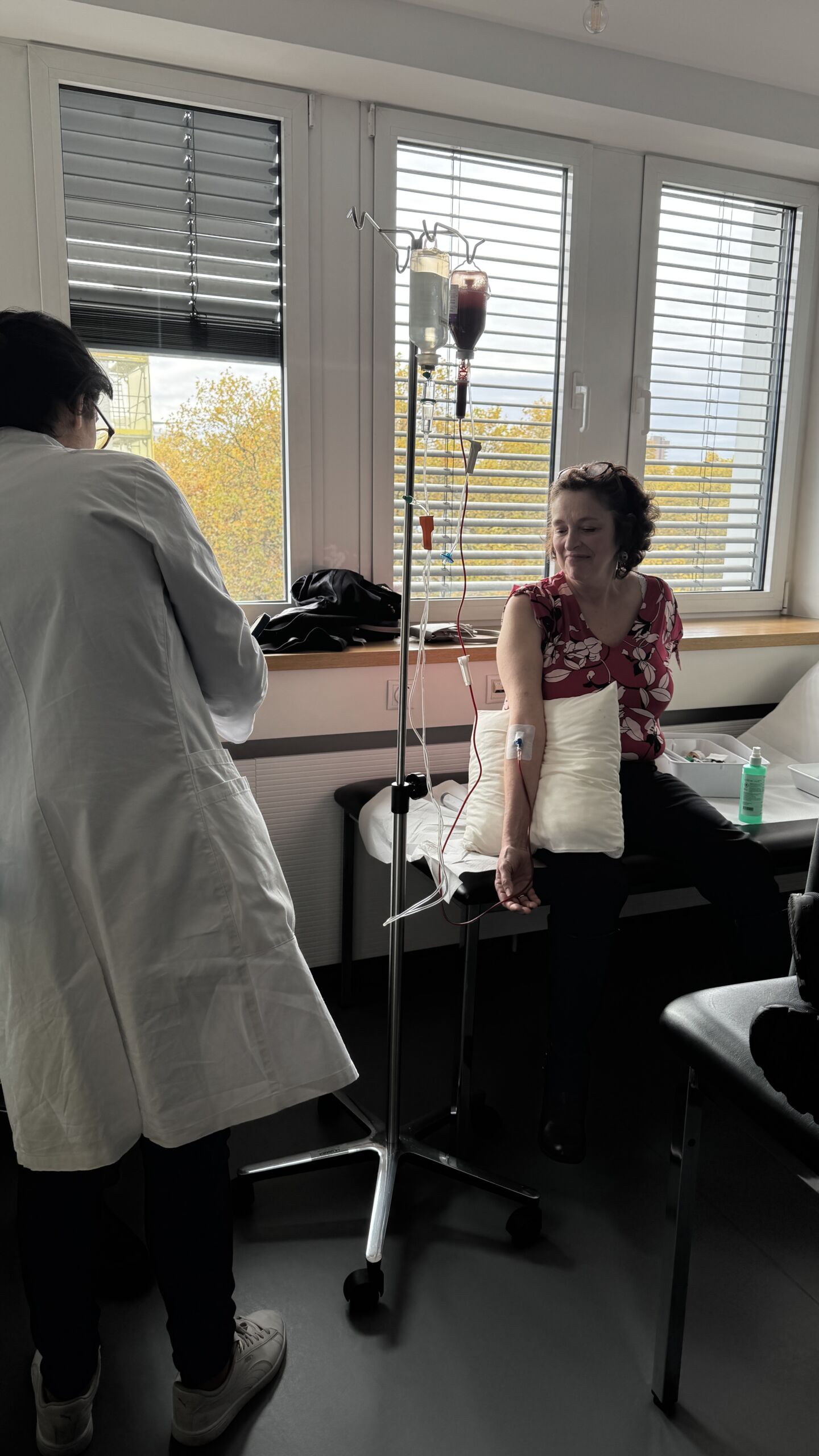
Ovarian cancer
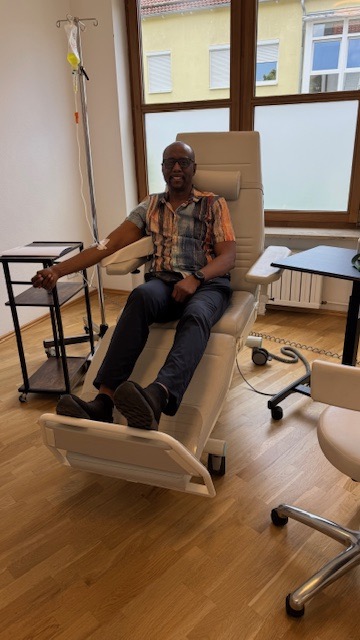
Pancreatic cancer
Our Experts of Prostate Cancer Immunotherapy in Germany

Prof. multi Dr. Stehling
University Professor of Radiology, Jerusalem University (AQU),
fmr. Fellow Harvard Medical School and Associate Professor of Radiology, Boston
“Prostatectomy isn’t always the answer”

Prof. Dr. med. van Gool
Van Gool, MD, PhD, is a specialist in pediatric and adult hematology-oncology with a focus on brain tumors but also center in general.
“Since every tumor is different, the best results are achieved by using the patient’s own dendritic cells to attack the unique set of tumor cells.”

Dr. rer. nat. Neßelhut
He is a specialist in Immunotherapies and board certified physician in immunotherapy and oncology.
“We are focused on the human being in its entirety.”

Find a clinic for Dendritic Cell Vaccine in Germany
Germany is renowned for its advanced medical treatments and state-of-the-art facilities, making it a top destination for patients seeking cutting-edge therapies like comprehensive immunotherapy. One of the leading organizations in this field is GermanyHealth.
Our offer includes all from A to Z including transportation if you need it. Hence, for a remote second opinion, book here. However, if you have high demand, we recommend booking our VIP Service Germany.
Also our patient service provides comprehensive support for international patients seeking treatment with dendritic cell vaccine for prostate cancer in Germany.
- Expert Consultation and Treatment Planning: We provide expert medical consultation to determine the most appropriate treatment plan for each patient with prostate cancer to get the appropriate dendritic cell therapy.
- Hospital and Clinic Coordination: We arrange treatment at some of Germany’s best hospitals and clinics specializing in the treatment of prostate cancer with modern Immunotherapies. Of course, you receive our onside service as well.
- Travel and Accommodation Assistance: We assist with travel arrangements, visa applications, transportation in Germany, and accommodation, ensuring a smooth and stress-free experience.
- Ongoing Patient Support: We offer continuous support throughout the treatment process, including follow-up care and communication with the clinic. Hence, we provide follow up service after you have left back home.