
Innovative Breast Cancer Dendritic Cell Vaccine in Germany
Receiving a breast cancer diagnosis can be overwhelming. If you have stage 2 or stage 3 breast cancer, you may already be exploring different treatment options and looking for therapies that can improve your long-term outcome. Alongside surgery, chemotherapy, radiation therapy, and hormone treatments, immunotherapy has become an important area of cancer research.
One promising approach is breast cancer dendritic cell therapy. This treatment aims to train your immune system to recognize and attack cancer cells more effectively. Dendritic cells are often called the “teachers” of the immune system because they help immune cells identify dangerous targets, including cancer.
Breast cancer develops when cells in the breast begin to grow uncontrollably. In stage 2 breast cancer, the tumor is usually larger and may have spread to nearby lymph nodes. In stage 3 breast cancer, the disease has spread further into surrounding tissues or multiple lymph nodes, but it has not yet spread to distant organs.
Today, some specialized clinics in Germany offer breast cancer dendritic cell therapy as part of an individualized immunotherapy program. For patients looking beyond conventional treatments, this may provide an additional option to support the body’s natural defenses against cancer. While every patient is unique, many people are interested in therapies that focus on strengthening the immune system’s ability to recognize and fight remaining cancer cells. This is where breast cancer dendritic cell therapy has attracted growing attention.
Rapid help! For Breast Cancer Stage 2 or 3 in Germany
If a patient with breast cancer has already completed all standard treatments—such as surgery, chemotherapy, radiation, hormone therapy, and targeted therapy—and the disease is still progressing, the focus often shifts from curative intent to disease control and life extension, while maintaining quality of life. In this situation, some patients explore experimental or non-standard options like breast cancer dendritic cell vaccine or oncolytic viro-therapy, usually at specialized oncology centers in Germany.
What patients typically need most at this stage is not just another treatment, but a clear, realistic, and structured medical strategy. This includes a precise understanding of the current disease status (including molecular profile and imaging), because advanced or metastatic breast cancer is biologically diverse. Treatment decisions at this point are often guided by tumor subtype (such as hormone receptor-positive, HER2-positive, or triple-negative disease) and the immune environment of the tumor.
If considering dendritic cell therapy, patients need confirmation that there is enough viable tumor antigen material available to generate a personalized vaccine. They also need to understand that this approach aims to stimulate the immune system rather than directly kill cancer cells, and that evidence in breast cancer is still evolving and not standardized.
For oncolytic virotherapy, patients need eligibility assessment for clinical trials or compassionate use programs. This therapy uses modified viruses designed to infect and destroy cancer cells while also stimulating an immune response. Access is highly restricted and depends on trial availability, tumor type, and overall health status.
Conventional Treatment vs. Modern Treatment Options for Breast Cancer
Most patients with stage 2 or stage 3 breast cancer receive a combination of standard treatments.
Surgery
Advantages
- Removes visible tumors
- Can achieve complete tumor removal in localized disease
- Often the first step in treatment
Disadvantages
- Does not eliminate microscopic cancer cells elsewhere in the body
- Surgical risks and recovery time
- Possible cosmetic and emotional impact
Chemotherapy
Advantages
- Can kill cancer cells throughout the body
- Often reduces recurrence risk
- Useful before or after surgery
Disadvantages
- Hair loss
- Fatigue
- Nausea
- Suppression of the immune system
- Possible long-term side effects
The Discovery of Dendritic Cells
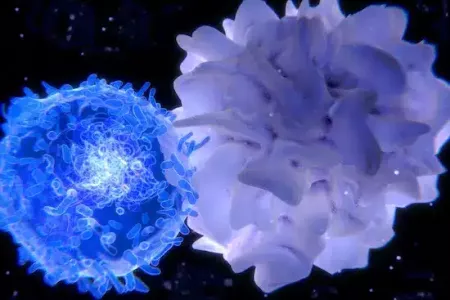
The story of dendritic cells began in 1973 when Canadian scientist Dr. Ralph Steinman and his colleague Zanvil Cohn discovered a previously unknown type of immune cell.
They identified these cells while studying the body’s defense system and noticed that they played a critical role in activating T-cells, which are responsible for attacking infections and abnormal cells.
Furthermore, researchers later realized that dendritic cells act as messengers between the innate and adaptive immune systems. Their ability to present antigens to T-cells made them a key focus in cancer immunotherapy research. In recognition of this groundbreaking discovery, Ralph Steinman was awarded the Nobel Prize in Physiology or Medicine in 2011.
However, today breast cancer dendritic cell therapy remain one of the most important tools in personalized cancer immunotherapy.
Why a single Breast Cancer Dendritic Cell Vaccine Alone Is Not Enough
Many patients believe that a breast cancer dendritic cell vaccine by itself can completely eliminate breast cancer. However, the reality is more complex. Cancer cells have developed sophisticated mechanisms to hide from the immune system. If the immune system cannot clearly recognize cancer cells, even highly activated dendritic cells may have limited targets to present.
Therefore, successful immunotherapy often requires more than simply administering a vaccine. The immune system first needs a strong source of tumor antigens and danger signals that can alert the body to the presence of cancer. Without these signals, the immune response may remain weak or incomplete.
A major goal of breast cancer dendritic cell vaccine is to create a durable immune response and establish long-term immunological memory. Memory T-cells can remain in the body for years and may help detect recurring cancer cells long after treatment has ended. This long-term surveillance is one of the key advantages of immunotherapy compared with many conventional approaches.
However, for memory cells to develop effectively, the immune system must first experience a strong and meaningful activation event. In many cases, a dendritic cell vaccine alone does not generate sufficient inflammation or tumor antigen release. As a result, immune activation may be incomplete.
Furthermore, researchers increasingly believe that combination strategies are necessary to achieve optimal results. The goal is not only to activate dendritic cells but also to expose hidden tumor cells, stimulate T-cells, and overcome the tumor’s immune suppression mechanisms.
For patients with stage 2 and stage 3 breast cancer, many immunotherapy experts view a combined approach as more promising than a standalone vaccine. In this context, breast cancer dendritic cell therapy may work best when integrated into a broader immunotherapy protocol designed to maximize immune activation.
Additionally, the objective of breast cancer dendritic cell therapy is not simply to generate an immediate immune reaction. The ultimate aim is to create a sustained anti-cancer response that continues monitoring the body over time. This may help support long-term disease control and potentially reduce the risk of recurrence when combined with appropriate medical treatment.
Why ICD Therapy with Newcastle Disease Virus is so important
One of the greatest challenges in cancer treatment is making the immune system recognize cancer cells as dangerous. This is where Immunogenic Cell Death (ICD) therapy has attracted significant scientific interest.
ICD therapy aims to kill cancer cells in a way that sends strong danger signals to the immune system. Instead of dying silently, cancer cells release molecules that act like alarm bells. These signals attract dendritic cells and other immune cells to the tumor environment.
Furthermore, Newcastle Disease Virus (NDV) has been studied as an oncolytic virus because it preferentially infects and damages cancer cells while stimulating immune activity. When tumor cells are infected by NDV, they can release a broad range of tumor antigens and danger-associated molecular patterns. This process may help transform an immunologically “cold” tumor into a more immunologically “hot” tumor.
As a result, dendritic cells receive significantly more information about the cancer. They can then present these tumor antigens to T-cells more efficiently, potentially leading to a stronger immune response.
Another important concept is the abscopal effect. This phenomenon occurs when local treatment of one tumor site leads to immune-mediated responses in distant tumor sites elsewhere in the body. Researchers believe that strong systemic immune activation is necessary for this effect to occur.
Consequently, a dendritic cell vaccine administered without sufficient tumor antigen release may not provide the same level of immune stimulation. By contrast, combining ICD therapy with NDV and dendritic cell vaccination may create a more comprehensive immune response because the immune system receives both the “target information” and the “activation signals” required for effective anti-cancer activity.
For this reason, many integrative immunotherapy approaches focus on combining dendritic cell vaccination with therapies that promote immunogenic cell death rather than relying on a vaccine alone.
The Memory Effect of Dendritic cell vaccine
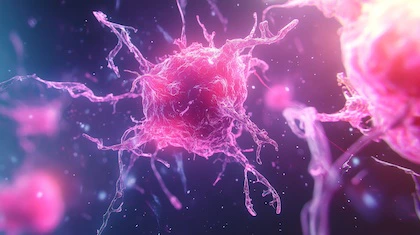
One of the most important benefits of a dendritic cell vaccine is its memory effect. You can think of it like training your immune system to recognize cancer cells. After the vaccine, special immune cells called T-cells learn what the tumor looks like and can remember it for a long time. If cancer cells appear again later, these trained immune cells may recognize and attack them more quickly. This is similar to how the immune system remembers certain viruses after a vaccination.
Before a dendritic cell vaccine, many patients benefit from Immunogenic Cell Death (ICD) therapy with Newcastle Disease Virus (NDV).
The reason is simple: the vaccine needs clear information about the tumor to teach the immune system. NDV infects cancer cells and helps destroy them in a way that releases important tumor signals and antigens. These signals act like an alarm system, telling the immune system that something dangerous is present.
As a result, dendritic cells can collect more tumor information and present it to T-cells more effectively. In other words, ICD with NDV helps “show” the immune system what the cancer looks like, while the breast cancer cell vaccine helps the immune system remember it and stay prepared for the future. Together, these therapies can create a stronger and longer-lasting anti-cancer immune response.
The 5 Steps to your Vaccination
STEP 1
Leukapheresis / Blood draw
Blood is drawn and monocytes (DC precursor cells) are separated via a gentle blood-filtering procedure. This takes approximately 2- 4 hours and is done in a specialized facility. Or a simple blood draw which takes 5 min.
STEP 2
DC Maturation
In a GMP-certified laboratory, monocytes are cultured for 8 days with cytokines (IL-4, GM-CSF) to develop into immature DCs, then matured with pro-inflammatory signals.
STEP 3
ICD Immunogenic cell death
Immunogenic Cell Death (ICD) with Newcastle virus refers to a specific, immunologically active form of tumor cell death one that does not simply eliminate cells quietly, but does so in a way that raises an immune alarm.
When tumor cells die through ICD, they release or expose a series of molecular signals called Damage-Associated Molecular Patterns (DAMPs). The most important of these include calreticulin (exposed on the cell surface), HMGB1 (released into the surrounding environment), and ATP. These signals act as “danger” and “eat me” flags that recruit and activate the DCs.
STEP 4
Tumor antigen loading
Mature DCs are loaded with your-specific tumor antigens derived from the Immunogenic Cell Death (ICD) therapy with Newcastle Disease Virus (NDV) for breast cancer.
STEP 5
Dendritic Cell Vaccine
On the 8th day you get the loaded Dendritic cell vaccine for breast cancer injected typically intradermally (into your skin).
RESULT
Immunization
Injected DCs migrate to lymph nodes and present tumor antigens to naive T cells. “This activates tumor-specific cytotoxic T lymphocytes (CTLs) that travel to the tumor and attack breast cancer cells.”
The immune response generated by dendritic cell vaccine for breast cancer is “highly specific it targets” the individual molecular fingerprint of your own tumor.
However, this personalization is one of its key advantages over standard systemic therapies.

How much is the cost for Breast Cancer Immunotherapy and Dendritic Cell Vaccine Program in Germany
The honest answer is that it depends on your situation. Breast Cancer is not treated with a single fixed protocol, so the cost reflects what your individual case actually requires — the combination of therapies involved, the number of treatment cycles, the length of your stay, and the supportive care around them.
For most patients, a complete program ranges from €57K to €150K. Where your case falls within that range depends on factors such as the stage of your disease, whether you have had surgery, the treatments you have already received, and how your therapy plan is structured.
Before we can give you a meaningful figure, we need to review your medical reports.
Your imaging and treatment history tell us what is realistic and appropriate for your situation — and just as importantly, whether this therapy is a sensible option for you at all. We would rather tell you honestly that a program fits your case than quote a number that does not reflect your reality.
Once we have reviewed your reports, we prepare a personalized program evaluation. This sets out a clear treatment plan and a transparent cost estimate for your specific case, so you can make an informed decision with no surprises.
Clinical papers of dendritic cell vaccine
Dendritic cell vaccines in breast cancer: Immune modulation and immunotherapy
New hopes for the breast cancer treatment: perspectives on the oncolytic virus therapy
Dendritic cells and immunity against cancer
Frequently asked Questions
Any query/confusion? Here’s a list of frequently-asked questions and their answers that might help.
How personalized is the therapy?
To make sure your dendritic cell vaccination hits your type of cancer, an oncolytic viro-therapy to produce tumor antigens (we call it priming) is mandatory before. After the dendritic cells are loaded with your tumor antigens.
Are there side effects, and how severe are they?
“Yes, like all medical treatments, dendritic cell therapy and other immunotherapies can have side effects—but they are generally much milder compared to chemotherapy or radiation. Most patients experience only mild flu-like symptoms such as fatigue, fever, or soreness at the injection site.
However, these effects usually go away within a day or two. Serious side effects are rare, especially with dendritic cell therapy, because it works with your body’s natural immune system.
However, we closely monitor every patient and personalize the treatment to minimize risks as much as possible.”
Side effects exist but are typically mild.
Dendritic cell vaccine is known for being well-tolerated.
Monitoring and personalization reduce risks.
Compared to chemo or radiation, the body handles it much better.
What is the success rate of dendritic cell therapy?
“The success rate of DCT depends strongly on the type and stage of your cancer, as well as your overall health and how your immune system responds.
However, in some cancers like melanoma, non-small cell lung cancer, glioblastoma, pancreatic cancer, prostate cancer or certain lymphomas, immunotherapy has shown significant success—even complete remission in some cases.
For other cancers, it may be used to slow progression, improve quality of life, or support other treatments.
That’s why we offer personalized evaluations to determine if this therapy is likely to be effective in your specific case. Hence the goal of GermanyHealth is always to find the best approach for your unique condition.”
How many dendritic cell therapy cycles are required?
The number of dendritic cell (DC) therapy cycles required can vary depending on the type of cancer, stage, patient’s immune response, and the specific protocol used by the treatment center.
However, you need an oncolytic viro-therapy to expose the tumor antigens:
Most clinical protocols recommend:
2 to 6 cycles of dendritic cell vaccination often one cycle every 2–4 weeks.
Why Multiple Cycles Are Needed?
Immune Activation Takes Time.
- Hence, this process strengthens gradually with repeated exposure to the tumor antigens.
- Dendritic cells need to “educate” the immune system specifically T cells to recognize and attack cancer cells.
Memory T Cell Development
- Repeated dosing helps create long-lasting immune memory, which is crucial for preventing recurrence.
Tumor Burden and Immune Suppression
- Cancer can suppress immune function. Multiple cycles help overcome tumor-induced immune tolerance and sustain immune activation.
Monitoring and Adaptation
- After each cycle, doctors evaluate immune markers (like cytotoxic T cell activity, cytokine levels) and tumor response (imaging or tumor markers).
Depending on progress, further cycles may be added or adjusted.
How soon can I start, and how long does it take?
Normally within 10-14 days.
Timeline from 1st App to last App
1st Appointment / Visit
Leukapheresis / Blood draw / 1st Oncolytic Viro-therapy (5-6 days) with Newcastle virus / hyperthermia sessions (5-6 sessions) / Tecentriq injection 840 / 1680 mg and 1st Dendritic Cell Vaccination
From your first appointment until your last appointment it takes 12 days. You stay 14 nights in Germany before you fly back home.
BREAK
There is a break of 3-4 weeks until your 2nd appointment
2nd Appointment / Visit
2nd Oncolytic Viro-therapy (5-6 days) with Newcastle virus / hyperthermia sessions (5-6 sessions) and 2nd Dendritic Cell Vaccination
It also takes 12 days at your 2nd appointment. You stay 14 nights in Germany before you fly back home.
BREAK
There is a break of 3-4 weeks until your 2nd appointment
3rd Appointment / Visit
Oncolytic viro-therapy (5days) with Newcastle virus plus 5 hyperthermia sessions and Immunological oncological diagnostic
You stay 7 nights this time until you are finished and ready for flying back home.
FOLLOW UP
After 3 month or even in between you should get a MRI scan to control your situation
IMPORTANT!
Chemotherapy
If you are under chemotherapy it is not recommended to get dendritic cell vaccine as your immune system is weaken at this time.
But, therefore we give you ICD Immunogenic cell death therapy with the Newcastle virus in order to spread your tumor antigens inside your body.
This is kind of alert for your immune system. Once you you are finished with chemo we can start the program as mentioned.
Frequently asked questions
Testimonials
Prostate cancer

Adenocarcinoma (Skin)
Ovarian cancer
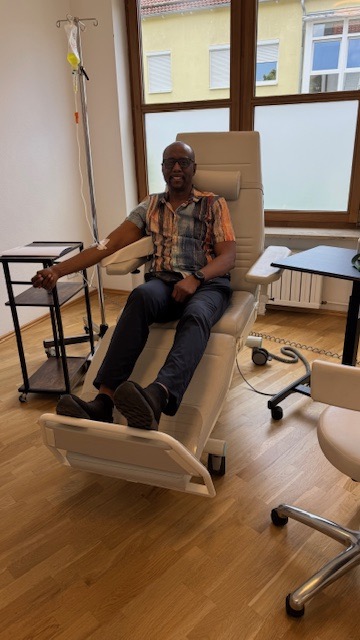
Pancreatic cancer
Our Experts of Breast Cancer Immunotherapy in Germany

Prof. Dr. med. van Gool
Van Gool, MD, PhD, is a specialist in pediatric and adult hematology-oncology with a focus on brain tumors but also center in general.
“Since every tumor is different, the best results are achieved by using the patient’s own dendritic cells to attack the unique set of tumor cells.”

Dr. rer. nat. Nesselhut
Dr. Nesselhut is specialist in Immunotherapies and board certified physician in immunotherapy. His focus is at oncologically immunotherapy and DCV.
“We are focused on the human being in its entirety.”

Dr. med. Stücker
Dr. Stücker is count among the renowned scientists and physicians in the fields of immuno-oncology. He is considered pioneer of cancer therapies.
“We use our expertise to extend the lives of cancer patients and offer them gentle treatment.”

Find a clinic for Dendritic Cell Vaccine in Germany
Germany is renowned for its advanced medical treatments and state-of-the-art facilities, making it a top destination for patients seeking cutting-edge therapies like comprehensive immunotherapy. One of the leading organizations in this field is GermanyHealth.
Our offer includes all from A to Z including transportation if you need it. Hence, for a remote second opinion, book here. However, if you have high demand, we recommend booking our VIP Service Germany.
Also our patient service provides comprehensive support for international patients seeking treatment with dendritic cell vaccine for breast cancer in Germany.
- Expert Consultation and Treatment Planning: We provide expert medical consultation to determine the most appropriate treatment plan for each patient with breast cancer to get the appropriate dendritic cell therapy.
- Hospital and Clinic Coordination: We arrange treatment at some of Germany’s best hospitals and clinics specializing in the treatment of breast cancer with modern Immunotherapies. Of course, you receive our onside service as well.
- Travel and Accommodation Assistance: We assist with travel arrangements, visa applications, transportation in Germany, and accommodation, ensuring a smooth and stress-free experience.
- Ongoing Patient Support: We offer continuous support throughout the treatment process, including follow-up care and communication with the clinic. Hence, we provide follow up service after you have left back home.