
Training the Immune System: The Rise of Dendritic Cell Therapy in Pancreatic Cancer
Receiving pancreatic cancer diagnosis is overwhelming, and finding the most effective, cutting-edge treatment is critical. For patients and families seeking options beyond standard care, dendritic cell therapy for pancreatic cancer in Germany offers a highly targeted and innovative path forward.
GermanyHealth specialize in the organization of personalized immunotherapy with dendritic cell therapy, an advanced medical protocol designed to train your own immune system to recognize and attack brain tumor cells.
Our German clinic partners provides international patients with access to world-class oncological science, state-of-the-art facilities, and comprehensive support throughout the entire treatment journey.
Pancreatic cancer has long been one of oncology’s most formidable challenges, often evading detection until advanced stages and resisting conventional therapies.
However, a shift is underway as researchers look beyond traditional treatments to leverage the body’s own defense mechanisms. Enter dendritic cell vaccines—a highly tailored form of immunotherapy designed to act as the immune system’s “master instructors.”
By isolating these specialized cells, programming them to recognize specific pancreatic tumor antigens, and reintroducing them to the patient, scientists are essentially providing the immune system with a targeted blueprint to track down and destroy cancer cells.
While still largely in the clinical trial phase, this innovative approach represents a beacon of hope and a profound frontier in personalized medicine.
The approach traces back to a 2011 Nobel Prize in Physiology or Medicine, awarded for the discovery of how dendritic cells (DCs) trigger the immune response. German centers were among the first to apply that science to brain tumors.
Therefore, in practice this means a vaccine made from your own cells, designed to help your immune system recognize your particular tumor. It is most often considered by patients whose disease has not responded well to standard treatment, or who want a targeted option alongside it.
Fighting Pancreatic Cancer From the Inside Out: Teaching Your Immune System to Attack
If you or someone you love has just heard the words “pancreatic cancer,” We want you to know that this page is written for you — in plain language, without the hype. A dendritic cell therapy for pancreatic cancer is one of the personalized immune treatments people are increasingly asking about, and our goal here is simply to help you understand what it is, what it isn’t, and where it might fit.
Pancreatic cancer is tough, and everyone in this field knows it. That’s exactly why researchers have spent years exploring immunotherapy for pancreatic cancer — an approach that tries to turn your own immune system into part of the treatment, rather than relying on chemotherapy or surgery alone. Immune-based treatment isn’t a magic cure, and I won’t pretend it is. But the science behind it is real, it’s moving quickly, and it’s worth understanding properly.
Newer treatments focus on using the body’s own immune system against pancreatic cancer, and dendritic cell vaccine. DCs are the immune cells that present tumor fragments — antigens — to other immune cells, helping the body recognize and attack cancer more effectively.
The goal is to train the immune system to treat pancreatic cancer cells as a threat, something surgery, radiation and chemotherapy cannot do on their own. In Germany, established laboratory expertise and the legal framework for individual healing attempts have made this approach available to patients who want it.
Therefore, our patients undergo a personalized process in which their own tumor cells are used to create a tailored vaccine, like IO-Vac®. Hence, the vaccination is then administered to stimulate an immune response targeted specifically at the patient’s tumor.
Studies have shown that this multi-faceted approach can not only extend survival but also improve quality of life by reducing the side effects associated with conventional chemotherapy.
As research continues, combining this approach with other immunotherapies may become the standard of care, offering new hope where traditional treatments have reached their limits. For many, exploring the dendritic cell therapy for pancreatic cancer in Germany could be a critical part of a more effective, personalized cancer care plan.
What Dendritic Cell Therapy Actually Is
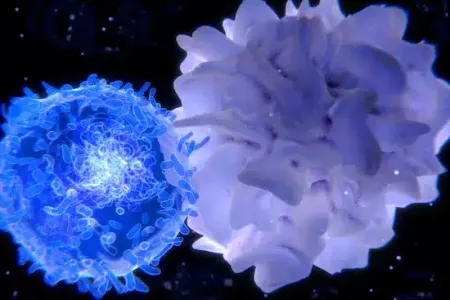
Your body has special “teacher” cells called dendritic cells. Their whole job is to show the rest of your immune system what to attack — a bit like handing out a wanted poster. Cancer is good at hiding, so those teacher cells often never get a clear picture of the tumor.
A dendritic cell vaccine tries to fix that. Doctors collect your own immune cells (usually through a blood-filtering process), grow them into mature dendritic cells in a lab, and “train” them using tumor material so they carry the tumor’s wanted poster. Then those trained cells are given back to you. The hoped-for result: your T-cells finally recognize the cancer and go after it. Because a dendritic cell therapy for pancreatic cancer is built from your cells and your tumor’s features, it’s genuinely personalized — no two are identical.
However, this is an investigational, still-emerging treatment, not a standard-of-care replacement. It’s most studied after surgery, to help lower the chance of the cancer coming back, and it’s often used alongside — not instead of — conventional care.
For example: a phase 1/2 study in resected pancreatic cancer patients reported a 2-year relapse-free survival rate of at least 60%, with 68% relapse-free after a median 25.5-month follow-up among 28 patients who completed the protocol, compared with 40% in the PREOPANC chemotherapy trial, and treatment was associated with minimal toxicity.
These are small, early-phase or observational results, not large randomized proof of longer survival, and dendritic cell therapy is not an approved drug for pancreatic cancer in the USA.
In Germany it’s typically offered as an individual treatment attempt (individueller Heilversuch), an exceptionally licensed therapy at designated clinics.
Hope, Honesty, and the Latest Research: Where Immune Therapy Stands Today
Here are real, recent studies on the dendritic cell vaccine for pancreatic cancer and related immune approaches, so you can read the evidence yourself rather than take anyone’s word for it. Results are encouraging but still early — these are the honest state of the science, not guarantees.
1. Dutch dendritic cell vaccine trial in resected pancreatic cancer (published in the Journal of Clinical Oncology, 2024). A single-center study in patients whose pancreatic cancer had been surgically removed. It met its main goal: an estimated 2-year recurrence-free survival rate of roughly 64%, compared with an expected ~40% for this group — and the vaccine was well tolerated. This is one of the most promising signals to date for this approach. Dutch dendritic cell vaccine trial in resected pancreatic cancer
2. Diakonos Oncology DOC1021 dendritic cell vaccine (DECIST trial, USA) — FDA Fast Track designation. An autologous dendritic cell vaccine for pancreatic ductal adenocarcinoma that the FDA granted Fast Track status, following encouraging early survival data in a related brain-cancer trial. Currently in early-phase testing. 🔗 Diakonos Oncology DOC1021 dendritic cell vaccine
3. WT1-loaded dendritic cell vaccine (TLP0-001) plus chemotherapy — Japan. A randomized, double-blind study combining a dendritic cell vaccine with chemotherapy in advanced pancreatic cancer that no longer responded to standard treatment — one of the more rigorous designs in this space. WT1-loaded dendritic cell vaccine (TLP0-001) plus chemotherapy
4. Neoantigen peptide-pulsed DC vaccine — Kyushu University, Japan (Frontiers in Immunology, 2025) — a retrospective study after surgery. Neoantigen-specific T cells were induced in 13 of 16 patients (81.3%); among those given the vaccine in the adjuvant setting, only one of seven recurred, and no patient died during a median follow-up of 61 months. Small numbers, but the long follow-up is notable. Neoantigen peptide-pulsed DC vaccine
A note on Newcastle virus trials: For pancreatic cancer specifically, the strongest NDV evidence is still preclinical (laboratory and animal studies), and earlier human NDV cancer trials had good results.
Who is NOT a candidate for dendritic cell therapy
From a clinical and ethical standpoint, these conditions mean the therapy will either fail to work, or the patient is physically too weak to undergo it.
| Disqualifying factor | Medial Reason |
|---|---|
| Severe Lymphopenia (Low WBCs) | If a patient's white blood cell count is entirely depleted by continuous, heavy chemotherapy, the lab cannot harvest enough healthy monocytes to manufacture the dendritic cells. |
| End-Stage Liver Failure / Ascites | If pancreatic cancer has heavily metastasized to the liver, causing jaundice, liver enzyme failure, or ascites (fluid accumulation in the abdomen), the body cannot process the immune system upregulation. |
| ECOG Performance Status ≥ 3 | Patients who are bedridden or chair-bound for more than 50% of their waking hours. Advanced pancreatic cachexia (severe muscle wasting and weight loss) means the body lacks the metabolic energy required to mount an immune response. |
| Active Autoimmune Diseases | Conditions like severe Crohn's disease, Lupus, or Rheumatoid Arthritis requiring heavy systemic immunosuppressants. Activating dendritic cells could trigger a life-threatening autoimmune flare-up. |
| Concurrently Taking High-Dose Corticosteroids | Steroids (like Dexamethasone or Prednisone) actively suppress T-cell function. If a patient cannot safely taper off high-dose steroids, DCT will be functionally neutralized. |
Why Doctors Use a Series of Immune "Boosters," Not Just One Shot
People often ask. “If it’s a vaccine, why can’t I just get one shot?”
Here’s the simple answer. Think about the vaccines you already know — many of them need a first dose plus boosters. Your immune system learns in layers. The first dose introduces the target. The follow-up doses remind your T-cells, deepen the response, and help it last longer. Skip the boosters and the immune “memory” can fade before it does much good.
That’s the whole logic behind receiving a short series — commonly in the range of two to four (sometimes up to five) vaccinations, spaced a couple of weeks apart, sometimes with later booster doses. In real trials, patients who completed the full planned series tended to do better than those who couldn’t finish it — a strong hint that finishing the course matters. A dendritic cell therapy for pancreatic cancer is a training program for your immune system, and like any training program, repetition is what makes it stick. Getting the full set of vaccinations gives this form of immunotherapy for pancreatic cancer its best chance to build a durable response.
The Newcastle Virus and Smart Immune Cells — A New Combination, Explained Simply
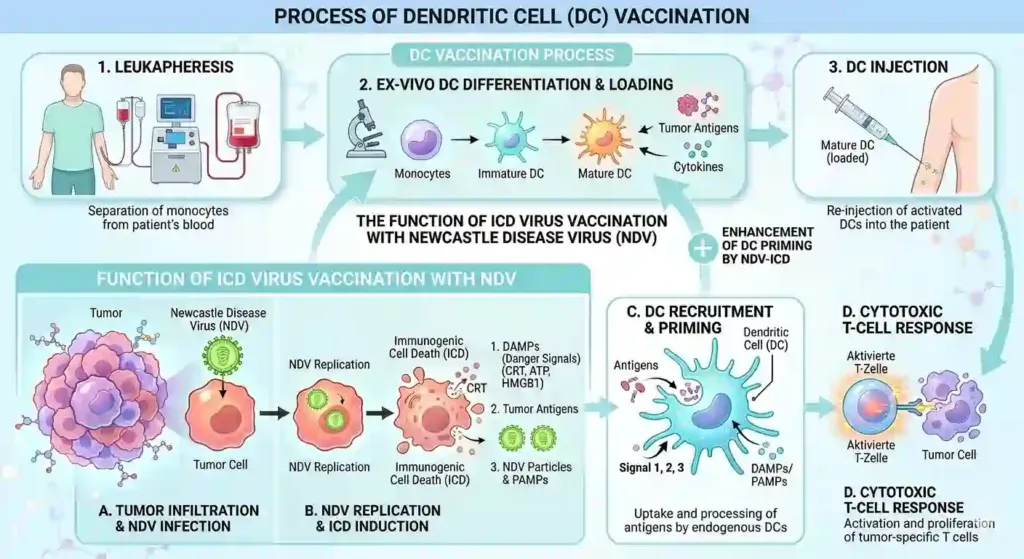
Now to the part that sounds like science fiction but is grounded in decades of research: oncolytic viro-therapy using the Newcastle disease virus (NDV).
NDV is a virus that naturally affects birds and is essentially harmless to healthy human cells. Its interesting trick is that it tends to slip into and replicate inside tumor cells — which often have weakened antiviral defenses — while leaving normal cells largely alone. As it does this, it can cause what scientists call “immunogenic cell death”: the tumor cell doesn’t just die quietly, it dies loudly, spilling out signals that call the immune system’s attention to the cancer.
So what is it good for, and why is it added? Two reasons, in plain terms:
- It helps turn a “cold” tumor “hot.” By creating inflammation right inside the tumor, it can make the cancer more visible to your immune system — potentially setting the table for the dendritic cell vaccine to work better.
- It acts like an “in-place vaccine.” When the virus breaks tumor cells open, it releases the tumor’s own fingerprints, which can help train your immune response naturally.
This is a genuine, actively researched form of immunotherapy for pancreatic cancer, and the pairing of NDV with a dendritic cell vaccine is a logical one. I do want to be straight with you: for pancreatic cancer specifically, most of the NDV evidence so far comes from laboratory and animal studies plus older, small human studies. It’s promising and biologically sensible, but it remains experimental rather than proven — a treatment to explore thoughtfully, ideally within a trial or a properly supervised program, and always in conversation with your oncologist.
Turning a "Cold" Tumor "Hot": The Science of Waking Up Your Immune System
Pancreatic tumors are what scientists call “cold.” That means they’re surrounded by a kind of force field that keeps immune cells out. This is a big reason why immunotherapy for pancreatic cancer has been harder to crack than in cancers like melanoma, where immune drugs have had dramatic success.
That’s also why the idea behind a dendritic cell therapy for pancreatic cancer is so interesting. Instead of waiting for the immune system to notice the tumor on its own, you actively deliver the “wanted poster” and try to recruit an army. The realistic goal of immunotherapy for pancreatic cancer in this setting is usually to strengthen your body’s own defenses and reduce the risk of recurrence — a meaningful goal, and one measured carefully in clinical trials rather than promised.
Putting the Pieces Together (and Being Honest About Fit)
So how do these fit into a real treatment plan? The thinking goes like this: the Newcastle virus helps expose and “light up” the tumor, and the dendritic cell vaccine for pancreatic cancer then teaches your immune system to hunt what’s been exposed. One opens the door; the other sends in a trained response. Combined, the hope is a stronger, more coordinated immune attack than either could manage alone.
What I’d never want you to do is see this as a reason to abandon proven care. Surgery (when possible), chemotherapy, and radiation still carry the strongest evidence for pancreatic cancer. The most sensible role for immunotherapy for pancreatic cancer today is alongside those pillars — usually after surgery to lower recurrence risk, or within a clinical trial. Ask hard questions, ask for the data, and make the decision with your medical team. Good treatment and honest information belong together.
- The first injection introduces the target,
- Each subsequent injection deepens the training,
- Sharpens the response,
- Builds lasting immunological memory effect in the bone marrow against the tumor.
The 5 Steps to your Vaccination
STEP 1
Leukapheresis / Blood draw
Blood is drawn and monocytes (DC precursor cells) are separated via a gentle blood-filtering procedure. This takes approximately 2- 4 hours and is done in a specialized facility. Or a simple blood draw which takes 5 min.
STEP 2
ICD Immunogenic cell death
Immunogenic Cell Death (ICD) with Newcastle virus refers to a specific, immunologically active form of tumor cell death one that does not simply eliminate cells quietly, but does so in a way that raises an immune alarm.
When tumor cells die through ICD, they release or expose a series of molecular signals called Damage-Associated Molecular Patterns (DAMPs). The most important of these include calreticulin (exposed on the cell surface), HMGB1 (released into the surrounding environment), and ATP. These signals act as “danger” and “eat me” flags that recruit and activate the DCs.
STEP 3
Tumor antigen loading
Mature DCs are loaded with your-specific tumor antigens derived from the Immunogenic Cell Death (ICD) therapy with Newcastle Disease Virus (NDV) for pancreatic cancer.
STEP 4
DC Maturation
In a GMP-certified laboratory, monocytes are cultured for 8 days with cytokines (IL-4, GM-CSF) to develop into immature DCs, then matured with pro-inflammatory signals.
STEP 5
Dendritic Cell Vaccine
On the 8th day you get the loaded Dendritic cell vaccine for pancreatic cancer injected typically intradermally (into your skin).
RESULT
Immunization
Injected DCs migrate to lymph nodes and present tumor antigens to naive T cells. “This activates tumor-specific cytotoxic T lymphocytes (CTLs) that travel to the tumor and attack pancreatic cancer cells.”
The immune response generated by dendritic cell therapy for pancreatic cancer is “highly specific it targets” the individual molecular fingerprint of your tumor.
However, this personalization is one of its key advantages over standard systemic therapies.
How much is the cost for Pancreatic Cancer Immunotherapy and Dendritic Cell Vaccine Program in Germany
The honest answer is that it depends on your situation. pancreatic cancer is not treated with a single fixed protocol, so the cost reflects what your individual case actually requires — the combination of therapies involved, the number of treatment cycles, the length of your stay, and the supportive care around them.
For most patients, a complete program ranges from €65K to €180K. Where your case falls within that range depends on factors such as the stage of your disease, whether you have had surgery, the treatments you have already received, and how your therapy plan is structured.
Before we can give you a meaningful figure, we need to review your medical reports.
Your imaging and treatment history tell us what is realistic and appropriate for your situation — and just as importantly, whether this therapy is a sensible option for you at all. We would rather tell you honestly that a program fits your case than quote a number that does not reflect your reality.
Once we have reviewed your reports, we prepare a personalized program evaluation. This sets out a clear treatment plan and a transparent cost estimate for your specific case, so you can make an informed decision with no surprises.
Timeline from 1st App to last App
1st Appointment / Visit
Leukapheresis / Blood draw / 1st Oncolytic Viro-therapy (5-6 days) with Newcastle virus / hyperthermia sessions (5-6 sessions) / Tecentriq injection 840 / 1680 mg and 1st Dendritic Cell Vaccination
From your first appointment until your last appointment it takes 12 days. You stay 14 nights in Germany before you fly back home.
BREAK
There is a break of 3-4 weeks until your 2nd appointment
2nd Appointment / Visit
2nd Oncolytic Viro-therapy (5-6 days) with Newcastle virus / hyperthermia sessions (5-6 sessions) and 2nd Dendritic Cell Vaccination
It also takes 12 days at your 2nd appointment. You stay 14 nights in Germany before you fly back home.
BREAK
There is a break of 3-4 weeks until your 2nd appointment
3rd Appointment / Vistit
Oncololytic viro-therapy (5days) with Newcastle virus plus 5 hyperthermia sessions and Immunological oncological diagnostic
You stay 7 nights this time until you are finished and ready for flying back home.
FOLLOW UP
After 3 month or even in between you should get a MRI scan to control your situation
IMPORTANT!
Chemotherapy
If you are under chemotherapy it is not recommended to get dendritic cell vaccine as your immune system is weaken at this time.
But, therefore we give you ICD Immunogenic cell death therapy with the Newcastle virus in order to spread your tumor antigens inside your body.
This is kind of alert for your immune system. Once you you are finished with chemo we can start the program as mentioned.
Gentle, Empowering Path Forward
Taking control of your treatment path requires immense courage, but stepping away from systemic destruction toward targeted, elegant science provides profound hope. Because a customized dendritic cell vaccine for pancreatic cancer relies entirely on your own biology and a targeted virus, it bypasses the grueling hair loss, nausea, and deep fatigue of traditional options. It is a sophisticated, highly manageable approach that honors your body’s strength while giving you a precise, intelligent shield to reclaim your future.
Frequently asked Questions
Any query/confusion? Here’s a list of frequently-asked questions and their answers that might help.
Are there side effects, and how severe are they?
“Yes, like all medical treatments, dendritic cell therapy and other immunotherapies can have side effects—but they are generally much milder compared to chemotherapy or radiation. Most patients experience only mild flu-like symptoms such as fatigue, fever, or soreness at the injection site.
However, these effects usually go away within a day or two. Serious side effects are rare, especially with dendritic cell therapy, because it works with your body’s natural immune system.
However, we closely monitor every patient and personalize the treatment to minimize risks as much as possible.”
Side effects exist but are typically mild.
Dendritic cell vaccine is known for being well-tolerated.
Monitoring and personalization reduce risks.
Compared to chemo or radiation, the body handles it much better.
How personalized is the therapy?
To make sure your dendritic cell vaccination hits your type of cancer, an oncolytic viro-therapy to produce tumor antigens (we call it priming) is mandatory before. After the dendritic cells are loaded with your tumor antigens.
What is the success rate of dendritic cell therapy?
“The success rate of DCT depends strongly on the type and stage of your cancer, as well as your overall health and how your immune system responds.
However, in some cancers like melanoma, non-small cell lung cancer, glioblastoma, pancreatic cancer, prostate cancer or certain lymphomas, immunotherapy has shown significant success—even complete remission in some cases.
For other cancers, it may be used to slow progression, improve quality of life, or support other treatments.
That’s why we offer personalized evaluations to determine if this therapy is likely to be effective in your specific case. Hence the goal of GermanyHealth is always to find the best approach for your unique condition.”
How many dendritic cell therapy cycles are required?
The number of dendritic cell (DC) therapy cycles required can vary depending on the type of cancer, stage, patient’s immune response, and the specific protocol used by the treatment center.
However, you need an oncolytic viro-therapy to expose the tumor antigens:
Most clinical protocols recommend:
2 to 6 cycles of dendritic cell vaccination often one cycle every 2–4 weeks.
Why Multiple Cycles Are Needed?
Immune Activation Takes Time.
- Hence, this process strengthens gradually with repeated exposure to the tumor antigens.
- Dendritic cells need to “educate” the immune system specifically T cells to recognize and attack cancer cells.
Memory T Cell Development
- Repeated dosing helps create long-lasting immune memory, which is crucial for preventing recurrence.
Tumor Burden and Immune Suppression
- Cancer can suppress immune function. Multiple cycles help overcome tumor-induced immune tolerance and sustain immune activation.
Monitoring and Adaptation
- After each cycle, doctors evaluate immune markers (like cytotoxic T cell activity, cytokine levels) and tumor response (imaging or tumor markers).
Depending on progress, further cycles may be added or adjusted.
How does it compare to traditional treatments (like chemo or radiation)?
“Unlike chemotherapy and radiation, which attack both cancer and healthy cells, immunotherapy works by training your own immune system to recognize and destroy cancer cells specifically.
Hence, this means fewer side effects in many cases and a more natural, long-term defense against cancer.
Chemotherapy and radiation are still effective and widely used, especially in fast-growing tumors, but immunotherapy can offer a more targeted approach—especially for cancers that are resistant to traditional treatments.
Though, in many cases, we use them together to maximize results, depending on what’s best for your individual case.”
Is it safe? Has it been scientifically validated?
Dendritic cell vaccination is safe. There are many clinical trials showing the safety. However, there is side effect like "having the feeling of getting kind of flu".
Can I get DCV during chemotherapy?
Basically, it is possible. But 1st it depends on the chemotherapy you get and 2nd you can start with ICD with Newcastle virus and get the Dendritic Cell Vaccine once you finished.
Here is a scientific paper that shows evidence for:
The effect of chemotherapy for immunization, however, appears to be unequivocal DC vaccination after chemotherapy instead of during chemotherapy resulted in slightly better 2-year OS .
Am I a candidate for immunotherapy and DCV?
Here's the short list of contraindications:
- Steroid dependence — can't come off corticosteroids (they suppress the immune response)
- Poor performance status (Karnofsky under ~60–70) or life expectancy under ~12 weeks
- Active autoimmune disease (e.g. multiple sclerosis) or immunodeficiency
- Organ transplant on immunosuppression
- Active infection, or positive HIV / hepatitis B / hepatitis C / syphilis
- Pregnancy or breastfeeding
- Serious uncontrolled organ failure (cardiac, lung, liver, kidney)
- Inadequate blood counts or organ-function labs at time of cell collection
- Unable to consent or comply with the multi-month schedule
How about Mexico & Irland?
Seeking dendritic cell vaccination in Mexico Ireland or Lithuania is becoming more common, especially among international patients looking for alternative cheap or integrative treatments.
However, not all clinics are created equal, and safety, licensing, and quality control can vary greatly. Here's what we recommend if you're seriously considering a clinic:
Medical Licensing & Accreditation
Ensure the clinic is licensed by COFEPRIS or Irish Authority (equivalent of the FDA).
Ask whether their lab is <strong">GMP-certified (Good Manufacturing Practice).
- Check for affiliations with international medical bodies or universities. Physician Credentials Confirm that the doctors are board-certified and trained in oncology or immunotherapy.
- Ask about their experience specifically with dendritic cell therapy and oncolytic viro-therapyTreatment Transparency
A reputable clinic should explain:
- How the dendritic cells are prepared (e.g., in-house or outsourced.
- Whether your cells are used (autologous) or donor-derived.
- The full treatment plan, expected outcomes, and follow-up care.
- They should provide a written cost estimate and not pressure you.
Scientific Basis
- The clinic should use validated protocols supported by research.
- Ask for clinical outcome data if available (remission rates, safety record).
Infection Control & Safety
- The facility should follow strict hygiene protocols.
- Ask where are they getting the dendritic cells from? Which is the laboratory?
⚠️ Red Flags:
Vague treatment descriptions like “immune boosting” without medical detail
No lab or physician info on the website
Claims of 100% success or “miracle cures”
Refusal to provide licenses, protocols, or lab certification
Asking for large payments upfront without documentation
🇲🇽 Is It Safe?
Some clinics in Mexico are safe and well-run, especially those in places like Tijuana, Cancun, or Mexico City, where medical tourism is strong.
However, others operate without proper oversight, and there are cases of unproven or unregulated therapies being marketed aggressively.
If you do your due diligence—and ideally consult with your own doctor or an independent advisor—it can be a viable option. But do not rely on advertising alone.
Ask questions, get documentation, and compare with options in countries like Germany, where regulation is stricter.
"Why Choose Germany for Immunotherapy: The GLP/GMP Difference" Focus on Germany's strict regulatory standards.
How soon can I start, and how long does it take?
Normally within 10-14 days.
How can I get started?
Either call us at
0049 151 5660 7300 or leave your initials and upload your reports. Click the "free case review!" button.
Testimonials
Prostate cancer

Adenocarcinoma (Skin)
Ovarian cancer
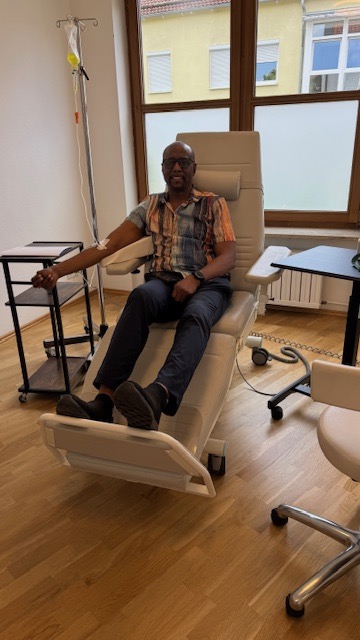
Pancreatic cancer
Our Experts of Pancreatic Cancer Immunotherapy in Germany

Prof. Dr. med. van Gool
Van Gool, MD, PhD, is a specialist in pediatric and adult hematology-oncology with a focus on brain tumors but also center in general.
“Since every tumor is different, the best results are achieved by using the patient’s own dendritic cells to attack the unique set of tumor cells.”

Dr. rer. nat. Nesselhut
Dr. Nesselhut is specialist in Immunotherapies and board certified physician in immunotherapy. His focus is at oncologically immunotherapy and DCV.
“We are focused on the human being in its entirety.”

Dr. med. Stücker
Dr. Stücker is count among the renowned scientists and physicians in the fields of immuno-oncology and translational oncology. He is considered pioneer of personalized cancer therapies.
“We use our expertise to extend the lives of cancer patients and offer them gentle treatment.”
Find a clinic for Dendritic Cell Vaccine in Germany
Germany is renowned for its advanced medical treatments and state-of-the-art facilities, making it a top destination for patients seeking cutting-edge therapies like comprehensive immunotherapy. One of the leading organizations in this field is GermanyHealth.
Our offer includes all from A to Z including transportation if you need it. Hence, for a remote second opinion, book here. However, if you have high demand, we recommend booking our VIP Service Germany.
Also our patient service provides comprehensive support for international patients seeking treatment with dendritic cell vaccine for prostate cancer in Germany.
- Expert Consultation and Treatment Planning: We provide expert medical consultation to determine the most appropriate treatment plan for each patient with prostate cancer to get the appropriate dendritic cell therapy.
- Hospital and Clinic Coordination: We arrange treatment at some of Germany’s best hospitals and clinics specializing in the treatment of prostate cancer with modern Immunotherapies. Of course, you receive our onside service as well.
- Travel and Accommodation Assistance: We assist with travel arrangements, visa applications, transportation in Germany, and accommodation, ensuring a smooth and stress-free experience.
- Ongoing Patient Support: We offer continuous support throughout the treatment process, including follow-up care and communication with the clinic. Hence, we provide follow up service after you have left back home.